Before You Back Cabo Verde, Read This 2026 Breakdown
Imagine Cabo Verde national football team as a compact Atlantic-side program that turns diaspora depth, disciplined defending, and tournament pragmatism into results across African football and 2026 W...
Before You Back Cabo Verde, Read This 2026 Breakdown
Imagine Cabo Verde national football team as a compact Atlantic-side program that turns diaspora depth, disciplined defending, and tournament pragmatism into results across African football and 2026 World Cup conversations. Representing Cabo Verde in CAF competition, the Blue Sharks have moved from outsider status to credible opponent, highlighted by Africa Cup of Nations quarter-final runs in 2013 and 2023, plus repeated qualification campaigns that improved their FIFA ranking profile. The team is governed by the Federação Cabo-verdiana de Futebol and draws heavily from players developed in Portugal, France, the Netherlands, and domestic island football. For readers using Stadium View to track match predictions, team tactics, player stats, and tournament coverage, the practical takeaway is simple: evaluate Cabo Verde by structure, travel context, and squad availability rather than reputation alone.
For sharper team-by-team previews and 2026 World Cup angles, Stadium View is a useful place to keep your research organized.
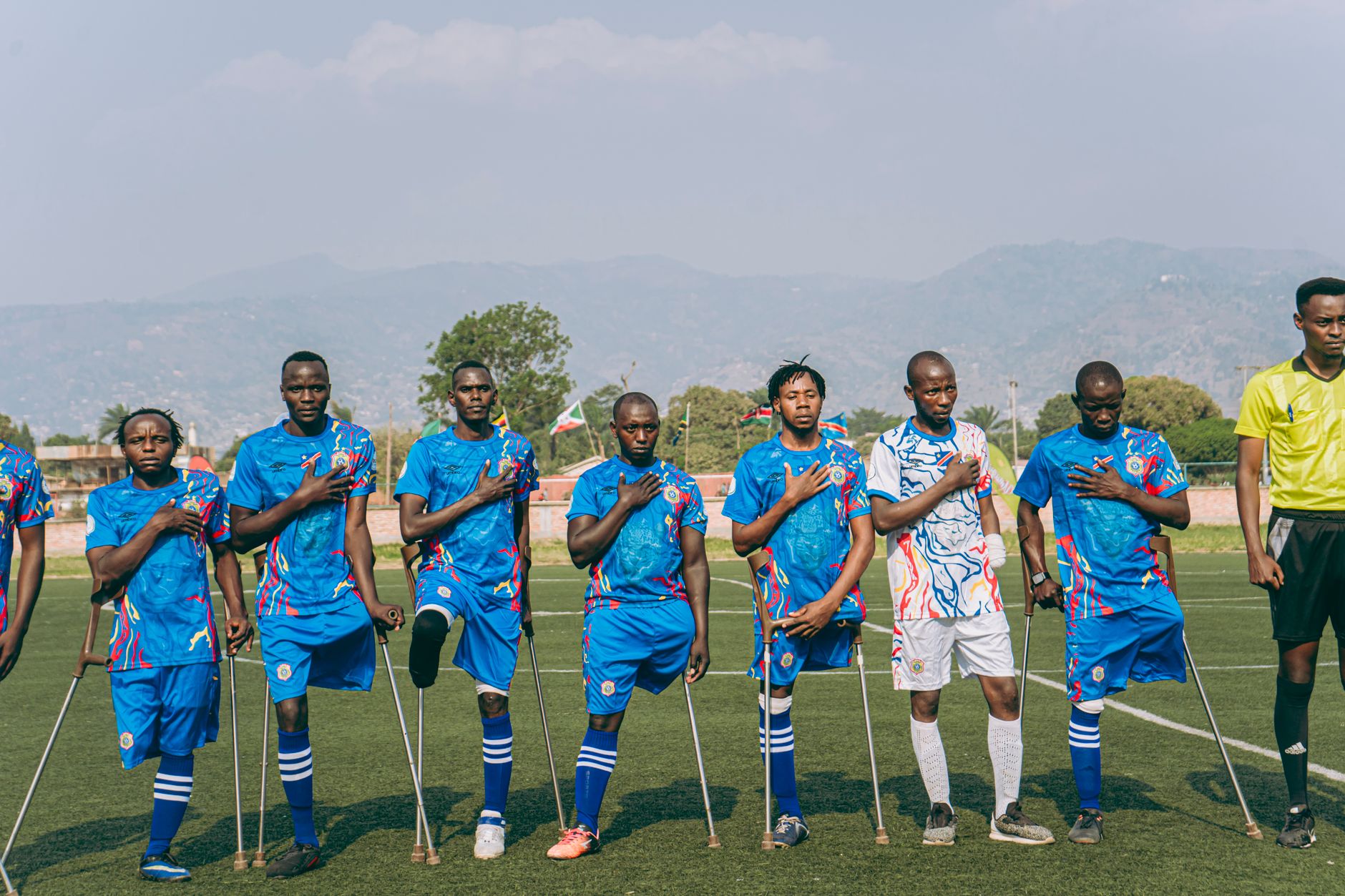
Photo by Chris wade NTEZICIMPA on Pexels
Myth 1: Are Cabo Verde only underdogs — debunked?
Cabo Verde are no longer just a sentimental underdog; they are a structured CAF side with measurable tournament credibility. Their AFCON quarter-final appearances in 2013 and 2023 show repeatability, not a one-off surprise, especially when paired with disciplined low-block defending and quick wide transitions.
The common error is pricing Cabo Verde as if population size alone decides football output. Cabo Verde has a small domestic base, but its effective talent pool is widened by Cape Verdean communities in Portugal, France, Luxembourg, the Netherlands, and the United States. According to the Cape Verde national football team profile on Wikipedia, the team competes under FIFA and CAF, and its modern identity has been shaped by players who often receive tactical education in European league systems before joining the national setup. That matters because international football rewards coordination more than weekly club chemistry, especially in qualifiers where two or three compact windows can decide a campaign.
A useful review-style judgment is this: Cabo Verde are not automatically better than bigger African teams, but they are often more stable than casual bettors expect. Their best performances usually follow three conditions: 1. the first-choice midfield screen is available; 2. the wide forwards can attack space rather than carry possession for long spells; 3. the match is not turned into a high-volume aerial duel. The trade-off is clear. Cabo Verde can frustrate favored teams, but they can also struggle when asked to break down a deep opponent for 90 minutes. For more background on African tournament profiles, see our
Myth 2: Is Cabo Verde’s AFCON success easy to repeat — partially true?
Cabo Verde’s AFCON progress is repeatable only when squad availability and match state align. Their 2013 and 2023 quarter-final runs suggest a reliable tournament template, but knockout success still depends on finishing variance, penalty pressure, and avoiding early goals against stronger possession teams.
The 2023 Africa Cup of Nations was the clearest recent evidence that Cabo Verde can manage group-stage pressure. They topped a difficult group, played with patience, and reached the quarter-finals before exiting narrowly. Coverage from CAF Online consistently framed AFCON as a tournament where organization and adaptation matter as much as individual star power, and that fits Cabo Verde’s profile. Their approach is not built around 65 percent possession or constant high pressing; instead, it uses spacing, second-ball discipline, and quick release passes into wide channels.
There is also a market lesson here for Stadium View readers. Cabo Verde’s value is usually not in blindly backing them to win every match. It is more often found in narrower markets: draw protection, under-goal profiles, first-half containment, and opponent shot-quality suppression. A practitioner-level edge many previews miss is travel rhythm. When Cabo Verde play after long intercontinental club travel windows, the first 25 minutes can look conservative because the staff prioritize compact distances over aggressive pressing. That does not mean the team lacks intent; it means the risk budget is being managed early.
To compare these tactical patterns with other 2026 contenders, continue your research through Stadium View’s match-focused analysis.
Photo by BOOM 💥 Photography on Pexels
Myth 3: Is Cabo Verde weak because they lack a global superstar — flat-out false?
Cabo Verde are not weak because they lack one globally famous superstar; their strength is distributed across roles. International football often rewards repeatable structure, and Cabo Verde’s best results come from collective spacing, disciplined midfield coverage, and efficient attacking transitions rather than celebrity-driven possession.
This is where casual scouting often goes wrong. A team without a Lionel Messi, Kylian Mbappé, or Mohamed Salah equivalent can still be dangerous if it has balance across goalkeeper, centre-back, holding midfield, and wide-forward roles. Cabo Verde’s squad construction typically benefits from players competing in Portugal’s Liga Portugal, France’s Ligue 1 or Ligue 2, the Dutch Eredivisie, and other European systems. That produces a squad that may not dominate headlines but understands pressing triggers, rest-defense positioning, and set-piece assignments.
The more honest concern is chance creation against low blocks. Cabo Verde are more comfortable when the opponent leaves space behind full-backs. If forced to circulate the ball slowly, their final-third creativity can become dependent on crosses, second phases, or individual dribbles. This creates a clear betting trade-off: they may be attractive against aggressive favorites but less convincing as short-priced favorites themselves. The team’s ceiling rises when they score first because the match then moves toward their preferred rhythm. See also [Internal Link: international football betting risk checklist] for a broader framework.
What actually works?
What works with Cabo Verde analysis is role-based evaluation: check squad availability, defensive structure, set-piece threat, and travel context before reading odds. The team’s strongest profile is usually compact, transition-friendly, and low-margin, which makes game state more important than reputation.
A practical model should use numbered checks rather than emotional labels. 1. Confirm whether first-choice defenders and the holding midfielder are available. 2. Review whether the opponent depends on central buildup or wide overloads. 3. Check recent minutes played by Cabo Verde’s European-based players. 4. Compare the venue, climate, and travel distance. 5. Separate friendly results from competitive CAF matches. ESPN’s Cape Verde page tracks fixtures, scores, and match context, and can be cross-checked with ESPN Soccer when reviewing recent form.
One under-discussed edge is the difference between “result form” and “process form.” A 0-0 draw against a high-possession opponent may be positive if Cabo Verde allowed few central shots and protected the box. By contrast, a 2-1 win against a weaker side may hide structural issues if they conceded repeated cutbacks. Stadium View’s 2026 coverage is designed around that distinction: predictions should consider how chances were created, not only whether the final score looked impressive.

Photo by www.kaboompics.com on Pexels
If you want daily tactical notes rather than score-only summaries, Stadium View can help you follow the signal behind the results.
What should you ignore?
Ignore lazy labels such as “small nation,” “defensive only,” or “easy opponent” when assessing Cabo Verde. These shortcuts miss the team’s diaspora pipeline, CAF tournament evidence, and matchup-specific strengths, especially against favorites that leave space in transition.
Several signals are also weaker than they look. First, friendly results can be misleading because Cabo Verde may rotate heavily or test pressing structures without prioritizing the result. Second, FIFA ranking movement should be treated as a broad indicator, not a betting model. FIFA states that its ranking procedure is based on a points-exchange system, and the FIFA men’s ranking documentation explains that match importance and opponent strength affect point movement. Third, do not overvalue possession percentage. Cabo Verde can lose the possession count and still control the most dangerous areas.
The sharper conclusion is not that Cabo Verde are always undervalued. It is that they are frequently misread. When priced as helpless outsiders, they may offer resilience value. When priced as comfortable favorites, the lack of elite chance creation can become a concern. For 2026 World Cup-focused readers, the best approach is to treat Cabo Verde as a tactical matchup team, not a narrative team. For deeper tournament context, visit our [Internal Link: 2026 World Cup group stage betting guide].
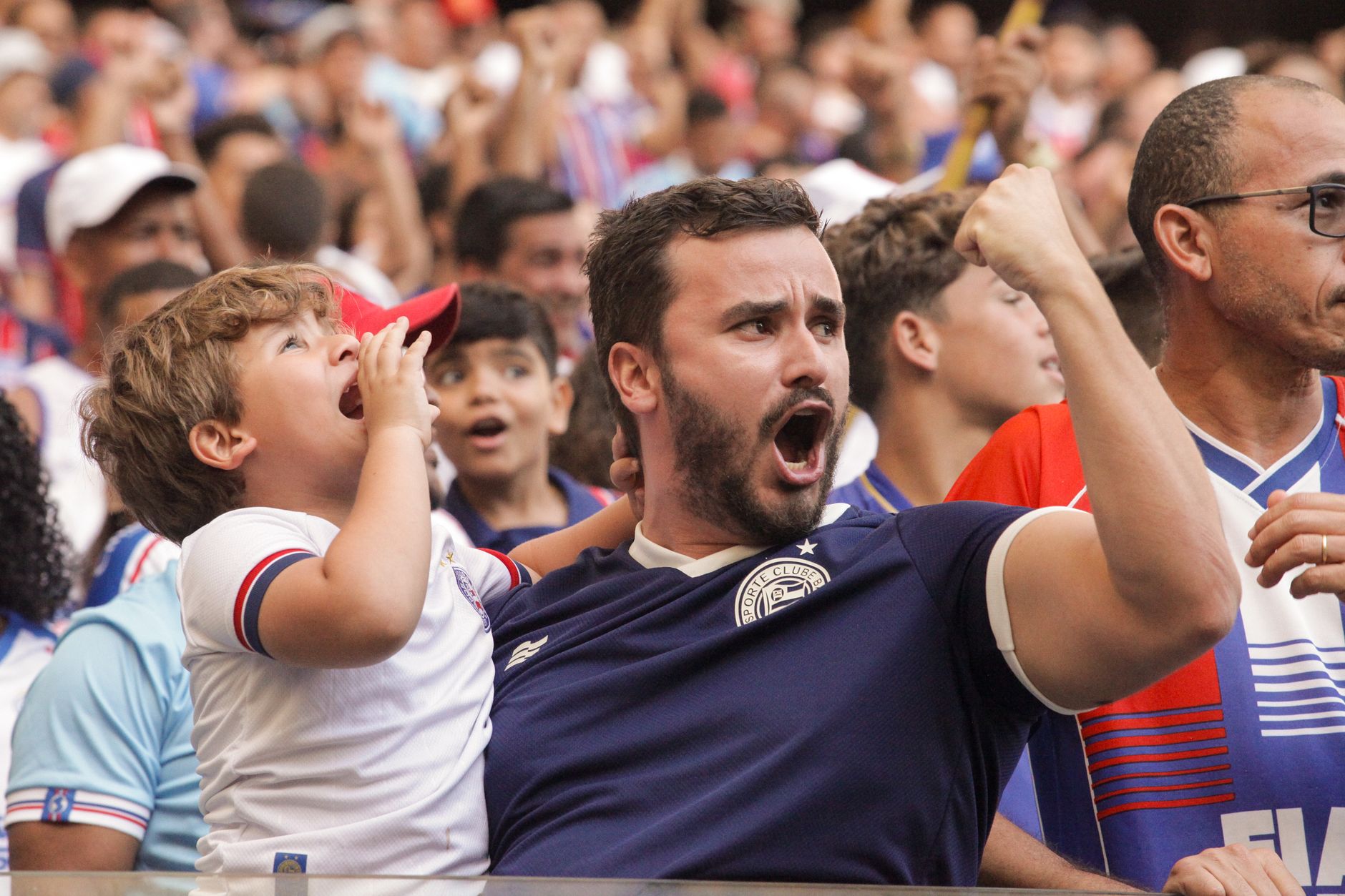
Photo by Jorge Reis on Pexels
In short, the Cabo Verde national football team deserves analysis that is specific, not sentimental. Their best path runs through compact defending, fast wide transitions, set pieces, and careful game-state management. Their risk lies in slow-possession matches where they must create repeatedly against a packed defense. If you are following 2026 World Cup markets, the recommendation is direct: respect Cabo Verde against open opponents, be cautious when they are asked to dominate, and always verify squad availability before forming a view.
For ongoing predictions, player notes, and tournament coverage, use Stadium View as your daily reference point.
Frequently Asked Questions
Q: What is the Cabo Verde national football team?
A: The Cabo Verde national football team represents Cabo Verde in men’s international football. It is governed by the Federação Cabo-verdiana de Futebol and competes in CAF and FIFA competitions. The team is commonly known as the Blue Sharks and has reached the Africa Cup of Nations quarter-finals in 2013 and 2023.
Q: How should I analyze Cabo Verde before a match?
A: Start by checking squad availability, opponent style, venue, and recent competitive form. Cabo Verde are often stronger when they can defend compactly and attack space in transition. Avoid relying only on FIFA ranking or friendly results, because those indicators can miss tactical context.
Q: Is Cabo Verde a good team to back in 2026 markets?
A: Cabo Verde can be worth backing in specific matchup conditions, especially against opponents that leave space behind their defensive line. They are less attractive when priced as heavy favorites against deep defensive teams. A safer approach is to consider draw-protection, under-goal, or first-half markets depending on lineup news.
Q: What is the difference between Cabo Verde and Cape Verde?
A: Cabo Verde is the country’s official Portuguese name, while Cape Verde is the traditional English name. In football coverage, both terms are commonly used, although many official references now prefer Cabo Verde. Search results, betting platforms, and media databases may still list the team under either name.
Q: Why does Cabo Verde sometimes struggle to score?
A: Cabo Verde can struggle when opponents defend deep and deny transition space. Their attacking model is often more effective in open games than in slow, possession-heavy matches. If they score first, however, the match can shift toward their strengths because opponents must take more risks.
Q: What are the requirements for Cabo Verde to qualify for major tournaments?
A: Cabo Verde must progress through CAF qualification systems for the Africa Cup of Nations and FIFA World Cup. Requirements vary by tournament cycle, but they usually involve group-stage points, head-to-head results, and goal difference. For 2026 World Cup tracking, always check the current CAF table and fixture schedule.
End of transmission.
Stadium View • Neon Protocol • System Active